Oven Cleaning in Modern Homes: A Practical Approach to a Fresher, Safer Kitchen
Oven cleaning is one of those household tasks that many people postpone until it becomes impossible to ignore. A greasy door, burnt-on spills, smoky odors, and uneven heating are all signs that your appliance needs attention. Whether you cook every day or only on weekends, oven cleaning plays an important role in keeping your kitchen hygienic, efficient, and pleasant to use.
Beyond appearance, routine oven cleaning supports better cooking results, reduces unpleasant smells, and can even help extend the life of the appliance. A clean oven is more energy-efficient, safer to use, and less likely to produce smoke from old residue. For homeowners, renters, landlords, and busy families, understanding the basics of oven cleaning can make a real difference in daily life.
In this article, we’ll explore why oven cleaning matters, the most effective methods, common mistakes to avoid, and how to maintain a spotless oven for longer. You’ll also learn how professional services approach the job and what to consider if you decide to book a service. If your oven has become a source of stress, this content will help you take the next practical step.
Why Oven Cleaning Matters More Than You Think
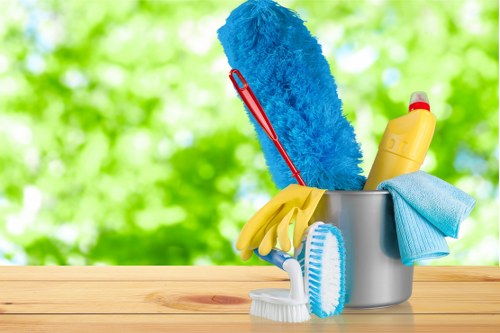
A dirty oven is not just an eyesore. Built-up grease and carbonized food particles can affect the way heat circulates inside the cavity, creating hot spots and inconsistent results. This is especially frustrating when baking cakes, roasting vegetables, or cooking anything that depends on even temperatures. Regular oven cleaning helps maintain performance and improves the quality of your meals.
Another important reason for oven cleaning is hygiene. Food debris, grease splatters, and old spills can attract bacteria and create lingering odors. Even if the oven looks fine from a distance, residue on the racks, walls, and glass can slowly build up over time. A clean appliance supports a cleaner kitchen overall, which is especially valuable in homes where food safety matters.
There is also a safety aspect. Heavy grime can smoke or burn during use, causing unpleasant fumes and sometimes triggering smoke alarms. In extreme cases, excessive grease buildup can increase the risk of flare-ups. That is why regular oven cleaning should be treated as part of routine home maintenance rather than a rare deep-clean event.
Signs Your Oven Needs Attention
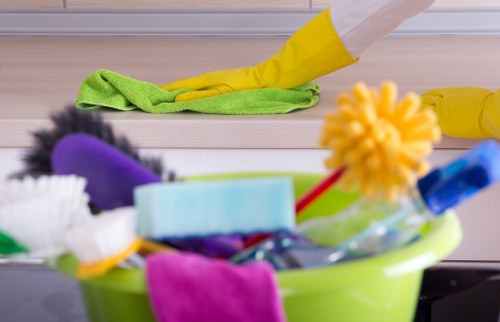
Many people wait until the oven is visibly dirty before thinking about oven cleaning, but there are several early warning signs. A burnt smell during preheating, smoke when cooking, or grease marks on the glass are all clues that residue has accumulated. If you notice food taking longer to cook than usual, the oven may also be struggling with heat distribution.
Another common sign is discoloration inside the cavity. Brown or black patches on the walls, racks, or door often indicate that spills have hardened after repeated heating. Once that happens, basic wiping is usually not enough. More thorough oven cleaning is needed to remove the buildup without damaging surfaces.
You may also see crumbs or hardened food stuck around the door seal, fan cover, or between rack supports. These neglected areas are often overlooked during normal kitchen tidying. Paying attention to these warning signs can help you schedule oven cleaning before the appliance becomes more difficult to restore.
Types of Oven Cleaning Methods

There is no single approach to oven cleaning that works for every situation. The best method depends on how dirty the oven is, what type of appliance you own, and whether you prefer a DIY or professional result. Understanding the main options can help you choose the right process for your home.
One of the most common methods is manual cleaning using degreasing products, microfiber cloths, and non-scratch tools. This approach gives you control and works well for moderate buildup. It is often the preferred solution for people who want a budget-friendly way to handle routine oven cleaning at home.
Another method is a self-cleaning cycle, which many modern ovens include. These ovens heat to very high temperatures to burn residue into ash. While this can be effective, it also produces strong heat and odors. It is important to follow manufacturer instructions carefully and ventilate the area well.
Manual Cleaning
Manual oven cleaning usually involves removing racks, applying a suitable cleaner, and wiping away softened grime. This method is flexible, safer for many oven models, and ideal when you want to target specific areas like the glass door or control panel.
Self-Cleaning Function
Self-cleaning ovens use intense heat to break down grease and food residue. The process is convenient, but it can be time-consuming and is not ideal for every household. If your oven has a delicate finish or strong odors are a concern, consider whether this method is the best fit.
DIY Oven Cleaning: What Works Best
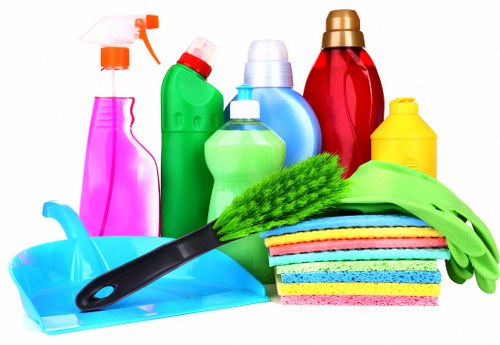
For many households, DIY oven cleaning is the first option. It is accessible, affordable, and can be surprisingly effective when done correctly. The key is using the right products and allowing enough time for cleaners to loosen grime. Rushing the process often leads to streaks, scratches, or incomplete results.
A popular home method is using a paste made from baking soda and water. Spread it on dirty surfaces, leave it for several hours or overnight, and then wipe it away with a damp cloth. This can help soften stubborn residue without harsh chemicals. For heavier grease, a commercial oven cleaner may be more effective, but always check compatibility with your appliance.
When handling DIY oven cleaning, always open windows or turn on extraction fans to improve ventilation. Wear gloves to protect your hands and avoid mixing cleaning products. The goal is to restore the oven safely while minimizing risk to surfaces and indoor air quality.
Essential DIY Supplies
- Microfiber cloths or soft sponges
- Non-abrasive scrub pads
- Baking soda and water paste
- Commercial oven cleaner, if suitable
- Warm water and mild dish soap
- Gloves for hand protection
Simple DIY Steps
- Turn off and cool the oven completely.
- Remove racks, trays, and loose debris.
- Apply your chosen cleaner to dirty areas.
- Allow time for the solution to break down residue.
- Wipe and rinse carefully until the surfaces are clean.
- Dry the oven fully before using it again.
When Professional Oven Cleaning Makes Sense
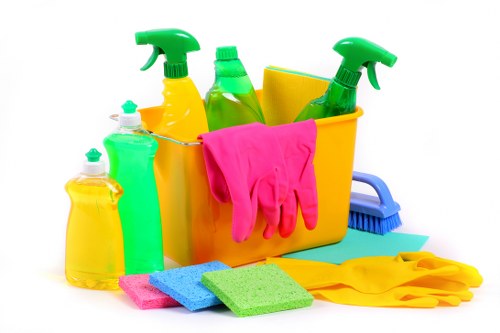
Although DIY methods can work well, professional oven cleaning is often the better choice when the appliance is heavily soiled or has not been cleaned in years. Professionals use specialized tools, safe degreasers, and techniques designed to remove stubborn carbon buildup from hard-to-reach areas. This can save time and deliver a more consistent finish.
Professional oven cleaning is especially useful for busy households, rental properties, and people preparing for events, property inspections, or move-outs. It can also be a practical option if you do not want to spend hours scrubbing racks and panels. Many people appreciate the convenience of having the oven restored without the physical effort.
Another benefit is that trained cleaners know how to handle different oven types, including fan ovens, double ovens, and range cookers. They can often clean components more thoroughly than a standard DIY approach. If your appliance has stubborn grease, burnt sugar, or thick smoke stains, booking a service may be the smartest investment.
Benefits of Professional Service
- Time-saving and less labor-intensive
- Better removal of stubborn grease and burnt residue
- Safe handling of different oven models
- Improved appearance and cooking performance
- Useful for deep cleaning before special occasions
If your oven needs attention now, book your service now and enjoy the comfort of a cleaner kitchen without the hassle.
Oven Cleaning by Appliance Type
Not every appliance requires the same approach to oven cleaning. Different oven types have distinct surfaces, features, and sensitivities. Using the wrong product or method may damage coatings, seals, or electronics. Knowing the differences helps protect your investment and produce better results.
Conventional Ovens
Standard ovens usually allow straightforward oven cleaning with removable racks and accessible interior walls. These ovens are often the easiest to maintain, though grease can still accumulate on the door and around the heating elements.
Fan Ovens
Fan-assisted models need extra care around the rear fan cover. Residue can build up in areas where air circulates, so regular oven cleaning is useful for preserving even heat distribution. Avoid overly wet cloths near electrical components.
Double Ovens
Double ovens require more time because there are two cavities to clean. The benefit is that each section can be handled separately, which is useful if one part gets used more often than the other. Detailed oven cleaning helps keep both compartments in good condition.
Range Cookers
Range cookers are larger and often more complex. Their size means more internal surfaces, racks, and panels to manage. Professional oven cleaning can be particularly valuable here because the job may be more physically demanding and time-consuming.
Self-Cleaning and Steam-Cleaning Ovens
These models offer built-in cleaning support, but they still need routine maintenance. Steam-cleaning is generally gentler than self-cleaning, though it may not remove heavy buildup. Regular light cleaning keeps these features effective and reduces the need for intensive intervention.
Common Mistakes to Avoid During Oven Cleaning
Even when people are motivated to tackle oven cleaning, small mistakes can reduce the quality of the result or create unnecessary risk. One of the biggest errors is using abrasive tools on glass or coated surfaces. Scratches can make the oven harder to clean in the future and may affect its appearance.
Another mistake is applying too much cleaner or leaving strong chemicals on too long. This can damage finishes or leave an unpleasant odor that lingers when the oven is next used. Always read labels carefully and test products if you are unsure how your model will respond.
It is also common to forget hidden areas, such as the oven seal, edges of the door, and rack grooves. A truly effective oven cleaning routine should address the visible surfaces and the details that often trap grease. Taking a methodical approach will usually save time in the long run.
What Not to Do
- Do not clean a hot oven unless the product specifically allows it.
- Do not mix chemical cleaners.
- Do not use metal scrapers on delicate interiors.
- Do not forget to rinse residue after cleaning.
- Do not put racks back in before they are fully dry.
How Often Should You Clean Your Oven?
The ideal frequency for oven cleaning depends on how often you cook and what you prepare. If you roast, bake, or broil frequently, residue may build up faster than in a kitchen that uses the oven only occasionally. A light wipe after messy meals and a deeper clean every few months is a sensible approach for many homes.
For households that cook daily, monthly maintenance may be more appropriate. That does not always mean a full deep clean each time, but it does mean checking the glass, racks, and base for spills. By staying ahead of grime, you make future oven cleaning easier and less time-consuming.
If you notice smoking, unpleasant smells, or visible buildup sooner, do not wait for a set schedule. The best time for oven cleaning is before residue becomes hard and baked on. Preventive care always beats a major restoration job.
Helpful Maintenance Routine
- Wipe spills after the oven cools.
- Clean the door glass weekly if needed.
- Remove crumbs from the base regularly.
- Deep-clean racks and trays as necessary.
- Schedule professional support when buildup becomes stubborn.
Eco-Friendly Oven Cleaning Options
Many people prefer eco-friendly oven cleaning methods because they reduce harsh chemical exposure and are often easier on indoor air quality. Natural options like baking soda, vinegar, and lemon-based solutions can work well on lighter residue. These methods are especially appealing for homes with children, pets, or sensitivity to strong cleaning fumes.
That said, eco-friendly does not automatically mean effective for every situation. Thick burnt-on grease may still require a stronger degreaser or professional treatment. A balanced approach works best: use natural methods for routine maintenance and stronger solutions only when needed. This keeps oven cleaning practical while still aligning with greener habits.
Another environmentally conscious strategy is to clean more often so you need fewer harsh products. Regular wiping, prompt spill management, and good ventilation can reduce the amount of buildup that develops. Over time, that means a cleaner oven and less need for intense intervention.
Why Regular Oven Cleaning Improves Cooking Results
One of the most overlooked benefits of oven cleaning is the impact on food quality. When grime burns repeatedly, it can create smoke that affects flavor and aroma. That is especially noticeable when cooking delicate dishes like pastries, fish, or vegetables. A fresh appliance helps ingredients taste as they should.
Clean surfaces also support more even heat movement. While oven cleaning cannot fix every technical issue, removing layers of residue can help the appliance operate closer to its intended performance. That means fewer surprises, better browning, and more reliable results.
For anyone who enjoys cooking, this matters. Good food depends on good equipment, and oven cleaning is one of the simplest ways to protect that equipment. It is a small maintenance habit with a big payoff in everyday use.
Practical Advantages
- Reduced smoke during cooking
- Less lingering odor on food
- Better heat circulation
- More consistent baking and roasting
- Longer-lasting appliance appearance
Preparing for a Deep Oven Clean
Preparation makes oven cleaning easier and more effective. Before you start, remove loose trays, foil, and anything stored inside the oven. Clear the surrounding area as well, since spills and drips can happen while you work. Having everything ready beforehand saves time and reduces frustration.
It also helps to check the manufacturer’s instructions. Some ovens have special coatings, catalytic liners, or sensitive controls that require specific products. Following the correct advice ensures your oven cleaning effort does not cause accidental damage.
Finally, plan enough time. Deep cleaning is rarely a quick task if the oven is heavily soiled. Letting cleaners sit for the recommended period usually produces better results than scrubbing aggressively. Patience is one of the most useful tools in effective oven cleaning.
Keep Your Kitchen Fresher with Smarter Oven Care
At its core, oven cleaning is about more than tidiness. It supports healthier cooking habits, better appliance performance, and a more pleasant kitchen environment. Whether you choose DIY methods, periodic maintenance, or professional support, the goal is the same: reduce buildup before it becomes a bigger problem.
When you make oven cleaning part of your regular home routine, you save time later and avoid the stress of facing a severely neglected appliance. Small actions like wiping spills, checking hidden corners, and cleaning racks periodically can have a lasting effect. The result is an oven that looks better, smells fresher, and works more efficiently.
If your appliance is overdue for attention, now is the right time to act. Book your service now or begin a careful DIY refresh today. A cleaner oven can make your whole kitchen feel more organized, more inviting, and easier to enjoy.