Deep Cleaning in Homes: A Practical, Room-by-Room Approach to a Fresher Space
Why Deep Cleaning Matters More Than Everyday Tidying

Deep cleaning in homes goes beyond the usual sweep, wipe, and vacuum. It targets the hidden dust, buildup, and grime that regular cleaning often misses. While surface cleaning helps a home look neat, deep cleaning helps it feel healthier, smell fresher, and function better over time.
Many households settle into routines that focus on visible messes only. That works for a while, but kitchens collect grease in hard-to-see corners, bathrooms develop mineral deposits, and living areas trap dust in fabrics and baseboards. A proper deep cleaning service or a well-planned DIY session tackles all of that with purpose and care.
For homeowners, renters, families, and property managers, deep cleaning in homes can make a noticeable difference in comfort and hygiene. It also supports better indoor air quality, protects surfaces, and reduces long-term wear on flooring, fixtures, and appliances.
What Deep Cleaning in Homes Really Includes
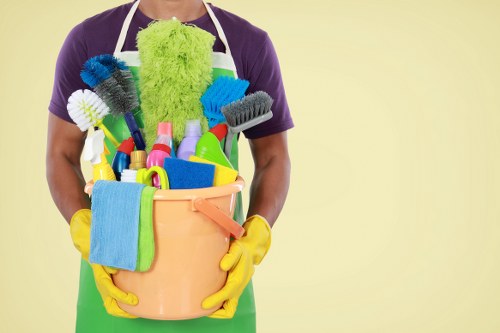
Unlike routine housekeeping, deep cleaning in homes focuses on detailed tasks that happen less often but matter a great deal. This may include scrubbing grout, washing baseboards, cleaning behind furniture, degreasing kitchen appliances, and sanitizing high-touch areas.
A professional-level deep clean is typically more methodical. Instead of just moving from room to room quickly, the process often starts at the top of each space and works downward. That approach prevents dust and debris from falling onto freshly cleaned areas. It also helps ensure every corner gets attention.
Common features of deep cleaning include:
- Cleaning hard-to-reach places
- Removing built-up dirt and residue
- Sanitizing commonly touched surfaces
- Refreshing fabrics, vents, and hidden edges
- Restoring shine to fixtures and floors
How It Differs from Routine Cleaning
Routine cleaning keeps a home presentable. Deep cleaning in homes resets it. Regular tasks might include vacuuming, dusting, and wiping counters. Deep cleaning goes further by tackling buildup inside ovens, under sinks, behind toilets, and around trim where dust collects over time.
Key Areas That Need Deep Cleaning
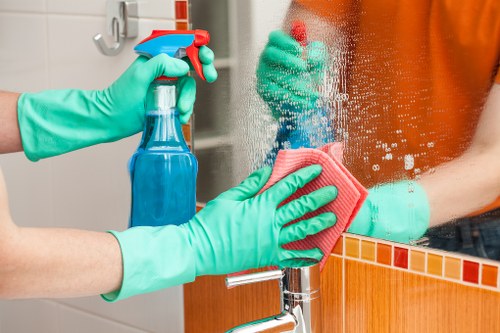
Every home is different, but certain areas benefit from special attention during deep cleaning in homes. These zones often gather the most dirt, bacteria, and debris because they are used daily or overlooked during fast cleanups.
Kitchen: Grease, crumbs, and food residue can accumulate quickly. A deep clean should include appliance exteriors and interiors, cabinet fronts, backsplash tile, sink drains, and under-counter spaces.
Bathroom: Soap scum, mildew, hard water stains, and hidden grime are common. Toilets, tubs, shower doors, grout lines, and ventilation covers should all be addressed thoroughly.
Living Areas and Bedrooms
These rooms may appear clean at first glance, but deep cleaning in homes should target dust on ceiling fans, vents, window tracks, mattress surfaces, upholstery, and beneath beds or sofas. Curtains, throw pillows, and other soft furnishings also collect particles that routine cleaning may overlook.
Entryways and Hallways: Shoes, bags, and frequent foot traffic bring in dirt from outside. Baseboards, floors, door handles, and light switches in these areas often need regular deep attention.
Paying attention to these spaces helps maintain a cleaner, more welcoming home overall.
Benefits of Deep Cleaning in Homes
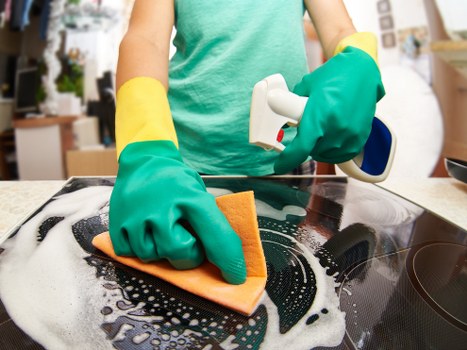
There are many reasons people choose deep cleaning in homes, and the benefits extend well beyond appearance. A thoroughly cleaned home can feel calmer, more organized, and more comfortable for everyone who lives there.
Health benefits: Deep cleaning reduces dust, allergens, pet dander, mold-prone buildup, and germs. This is especially important for households with children, older adults, or anyone sensitive to indoor irritants.
Better air quality: Dust and debris trapped in fabrics, vents, and hidden corners can affect the air you breathe. Cleaning these areas can help reduce airborne particles.
Protection for Surfaces and Fixtures
Deep cleaning in homes also protects your investment. When grime sits on tile, wood, stainless steel, or grout for too long, it can cause discoloration, staining, or deterioration. Regular deep cleaning helps surfaces last longer and look better.
Improved mental clarity: A clean environment often feels less stressful. Many people find that a deep-cleaned space supports better focus, better sleep, and a stronger sense of control at home.
For busy households, deep cleaning in homes can also reduce the amount of effort needed for weekly upkeep. Once buildup is removed, routine cleaning becomes faster and easier.
When to Schedule Deep Cleaning in Homes
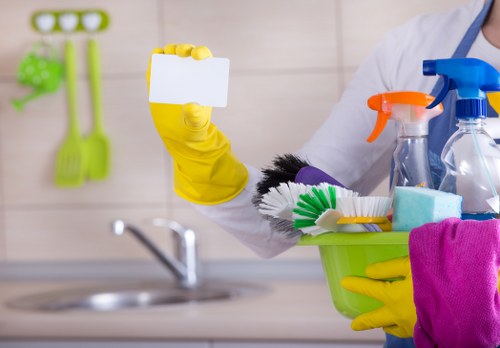
The ideal timing for deep cleaning in homes depends on lifestyle, household size, and the amount of traffic in the property. Some homes benefit from deep cleaning seasonally, while others need it more often.
Good times to schedule a deep clean include:
- Before major holidays or family gatherings
- After a renovation or repair project
- At the beginning of a new season
- When moving in or moving out
- After illness in the household
- Following a long period of neglect or heavy use
For many people, spring and fall are popular times for deep cleaning in homes, but there is no single rule. If you notice persistent odors, dusty vents, grimy grout, or cluttered hidden spaces, the home may be ready for a thorough reset.
How to Prepare for Deep Cleaning in Homes
Preparation makes the process smoother and more effective. Before starting deep cleaning in homes, it helps to declutter, gather supplies, and create a room-by-room plan. A little organization upfront can save time and frustration later.
Useful supplies often include:
- Microfiber cloths
- All-purpose cleaner
- Bathroom disinfectant
- Glass cleaner
- Scrub brushes
- Mop and vacuum
- Sponges and non-abrasive pads
- Protective gloves
It is also helpful to open windows where possible for ventilation, especially when using stronger cleaning products. Start by clearing clutter from countertops, floors, and furniture surfaces so the real cleaning work can begin.
Tip: Create a checklist for each room. This keeps deep cleaning in homes focused and prevents important tasks from being forgotten.
Room-by-Room Deep Cleaning Strategy
Kitchen Deep Cleaning
The kitchen is often the hardest-working room in the house, which makes it one of the most important areas for deep cleaning in homes. Begin with emptying and wiping down cabinets, then move to appliances, counters, and sinks. Pay attention to grease buildup around the stove, handles, and backsplash.
Don’t forget the less visible spots:
- Behind and under the refrigerator
- Inside the microwave and oven
- Under sink cabinets
- Drawer interiors
- Light switches and outlet plates
Bathroom Deep Cleaning
Bathrooms require both cleaning and disinfecting. Scrub shower walls, grout, tubs, sinks, and toilets carefully. Remove buildup from faucets and handles, and clean mirrors and glass surfaces until streak-free. For deep cleaning in homes, bathroom ventilation fans should also be dusted and wiped.
Living Room, Bedroom, and Fabric Care
Soft surfaces hold onto dust and allergens, so they deserve special attention. Vacuum upholstered furniture, clean under cushions, and wash removable covers if possible. Mattresses should be vacuumed and rotated if appropriate, while pillows and bedding can be refreshed according to care instructions.
Living room deep cleaning may also include:
- Dusting shelves, decor, and electronics
- Cleaning window sills and tracks
- Vacuuming behind furniture
- Wiping baseboards and trim
- Cleaning ceiling fans and vents
Bedrooms benefit from the same detailed approach, especially in spaces where dust accumulation affects sleep quality. A thorough cleaning can make the entire room feel lighter and more restful.
When fabrics, floors, and hidden corners are cleaned together, the entire home feels renewed.
Floor Care During Deep Cleaning in Homes
Floors are among the most visible parts of any home, but they also trap a surprising amount of dirt. Deep cleaning in homes should always include careful floor care tailored to the material. Hardwood, tile, laminate, vinyl, and carpet each require a different technique.
Hard floors: Sweep or vacuum first, then mop with a suitable cleaner. Pay special attention to corners, edges, and areas under furniture where dust collects.
Carpets: Vacuum slowly and thoroughly, especially along baseboards and beneath furniture. For stubborn stains or long-term odor control, steam cleaning or professional treatment may be worthwhile.
Tile and grout: Scrubbing grout lines is one of the most effective ways to improve the appearance of bathrooms, kitchens, and entryways. A deep clean can restore color and brightness significantly.
Hidden Spots People Often Miss
One reason deep cleaning in homes is so effective is that it reveals hidden dirt in places many people ignore during weekly upkeep. These missed spots often make the biggest difference when cleaned properly.
Commonly overlooked areas include:
- Behind and under large appliances
- Inside trash bins
- Vent covers and return grilles
- Door frames and tops of doors
- Light fixtures
- Window tracks and blinds
- Baseboards and crown molding
These small details may seem minor, but they can dramatically affect how fresh a home feels. A deep cleaning routine that includes them will usually produce a more polished result.
DIY vs Professional Deep Cleaning in Homes
Some homeowners prefer to handle deep cleaning in homes themselves, while others hire professionals. Both options can work well depending on the size of the property, the time available, and the level of detail needed.
DIY deep cleaning is often cost-effective and flexible. It works well for people who enjoy organizing tasks and have the time to tackle each room carefully. However, it can be labor-intensive and may take several hours or even multiple days.
When Professional Help Makes Sense
A professional deep cleaning service may be the better choice when the home is very large, heavily used, or overdue for maintenance. It can also help during move-in, move-out, post-event cleanup, or when someone simply wants a more efficient result.
Professional teams often bring specialized products and equipment, which can improve outcomes for carpets, grout, kitchen grease, and other challenging areas. For many households, the best solution is a mix of regular maintenance and periodic expert deep cleaning.
Maintaining Results After Deep Cleaning
Once deep cleaning in homes is complete, the next step is preserving the results for as long as possible. Small daily habits can prevent dirt and grime from returning too quickly.
Helpful maintenance tips include:
- Wiping surfaces daily
- Vacuuming and sweeping regularly
- Cleaning spills immediately
- Running bathroom ventilation after showers
- Decluttering high-use areas weekly
- Doing quick touch-ups on sinks, counters, and floors
Another smart habit is scheduling a smaller monthly reset so buildup never gets out of hand. That makes the next deep cleaning in homes easier, faster, and more effective.
Consistency matters: Even five to ten minutes a day can make a big difference in how long your home stays fresh.
Eco-Friendly Options for Deep Cleaning in Homes
More homeowners are choosing eco-friendly products for deep cleaning in homes. These options can reduce exposure to harsh chemicals while still delivering strong results when used correctly.
Popular green cleaning approaches include:
- Using vinegar and water for some glass and surface jobs
- Choosing plant-based all-purpose cleaners
- Using baking soda for odor and light scrubbing
- Opting for reusable microfiber cloths
- Limiting single-use cleaning wipes
Eco-conscious cleaning can be especially appealing in households with children, pets, or people with sensitivities. Always test products on a small area first, and follow manufacturer instructions to avoid damage to delicate surfaces.
Why Deep Cleaning Supports a Better Home Environment
Deep cleaning in homes is about more than spotless countertops or shiny floors. It supports a healthier, more comfortable, and more manageable living environment. By removing hidden dirt and restoring neglected areas, deep cleaning helps the entire house function better.
It also creates a strong foundation for routines that are easier to maintain. Whether you handle the work yourself or hire a deep cleaning service, the result is a space that feels more inviting and organized. That can make daily life smoother for everyone in the household.
If your home has been feeling dusty, cluttered, or tired, now is the right time to take action. Book your service now or start planning your next deep cleaning in homes session today. A cleaner, fresher, and more comfortable home is only a few focused steps away.