Communal Area Cleaning: Creating Safer, Healthier, and More Welcoming Shared Spaces
Why Communal Area Cleaning Matters for Every Property
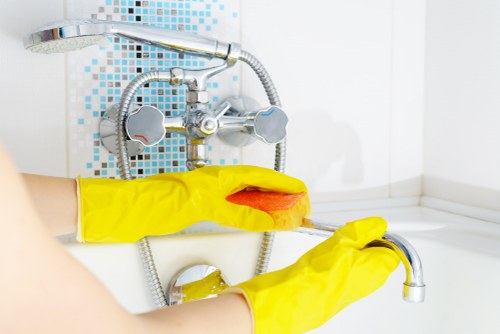
Communal area cleaning is one of the most important services for maintaining shared environments in residential, commercial, and mixed-use properties. From apartment hallways and stairwells to lobbies, lifts, shared kitchens, and entranceways, these spaces are used by many people every day. That means dirt, dust, litter, fingerprints, spills, and germs build up quickly if they are not managed properly.
A clean communal area does more than improve appearance. It helps reduce slip hazards, supports better hygiene, creates a more welcoming atmosphere, and can even protect property value. When tenants, visitors, staff, or customers walk into a spotless shared space, they immediately notice the difference. Clean communal areas send a clear message of care, order, and professionalism.
In today’s environment, where hygiene expectations are higher than ever, communal area cleaning is not just a cosmetic task. It is a practical necessity that supports comfort, safety, and long-term maintenance. Whether you manage a block of flats, an office building, or a public facility, investing in regular cleaning routines can make a substantial difference in the way your space looks and functions.
What Is Communal Area Cleaning?
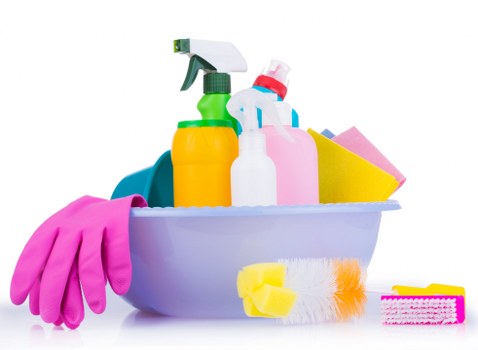
Communal area cleaning refers to the cleaning and upkeep of spaces shared by multiple people. These areas are typically high-traffic zones, which means they get dirty faster than private rooms or individual units. Common examples include hallways, lobbies, reception areas, staircases, lifts, communal bathrooms, shared lounges, bin stores, and external entrances.
The goal of communal area cleaning is to keep these spaces tidy, hygienic, and pleasant to use. This can include dusting, vacuuming, mopping, disinfecting touchpoints, removing rubbish, polishing surfaces, and checking for damage or maintenance issues. In many properties, the cleaning schedule is tailored to traffic levels, building type, and the needs of occupants.
Unlike one-off deep cleaning, communal area cleaning is usually an ongoing service. It is designed to maintain consistency and prevent problems from building up. Regular attention is especially important in shared spaces because one untidy area can affect the perception of the entire building.
The Benefits of Regular Communal Area Cleaning
1. Improved Hygiene and Reduced Germ Spread
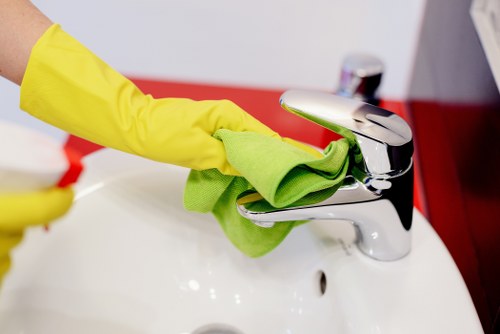
Shared environments naturally carry a higher risk of contamination because many people touch the same surfaces. Door handles, lift buttons, bannisters, intercoms, and handrails can quickly collect bacteria and viruses. A structured communal area cleaning routine helps reduce these risks through targeted cleaning and disinfection.
During colder months or periods of increased illness, hygiene becomes even more important. Regular cleaning lowers the chance of germs lingering on high-contact points, supporting a healthier environment for residents, workers, and visitors.
For property managers and landlords, this can also mean fewer complaints and a stronger sense of confidence among occupiers. Clean shared areas help people feel safer in the spaces they use every day.
2. Better First Impressions
First impressions matter in every setting. A spotless entrance or lobby creates a positive experience instantly, while a dusty corridor or overflowing bin area can leave people with the wrong impression before they even step inside.
Communal area cleaning supports the reputation of the entire property. In residential buildings, it can improve tenant satisfaction. In commercial premises, it can reflect the professionalism of the business. In hospitality or healthcare-adjacent environments, it can influence trust and comfort right away.
Common Areas That Need Regular Cleaning

Different properties have different shared spaces, but the following areas are among the most commonly cleaned:
- Entrance halls and foyers – the first point of contact for visitors and residents.
- Hallways and corridors – high-traffic routes where dust and marks collect quickly.
- Staircases and landings – areas where safety and cleanliness go hand in hand.
- Lift interiors and doors – touch-heavy surfaces that need frequent attention.
- Shared kitchens and break rooms – spaces that require careful hygiene controls.
- Communal bathrooms – areas where sanitisation is essential.
- Bin stores and waste points – locations that can attract odours and pests if neglected.
- External pathways and entrances – visible areas that collect dirt from weather and foot traffic.
Each of these areas may need a different approach depending on flooring, surface materials, usage levels, and seasonal conditions. Effective communal area cleaning is never one-size-fits-all. It should respond to the layout and needs of the building.
In larger premises, a cleaning plan often includes daily tasks, weekly tasks, and periodic deep-cleaning measures. This structure helps ensure nothing is overlooked and standards remain consistent throughout the property.
What a Professional Communal Area Cleaning Service Usually Includes
Routine Cleaning Tasks
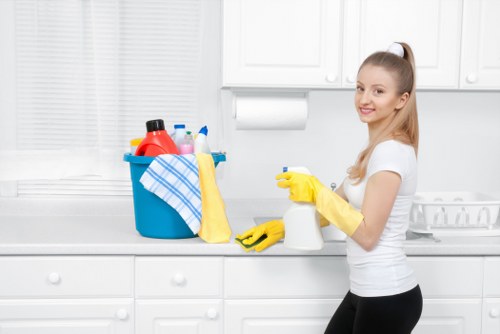
A professional communal area cleaning service generally covers a wide range of duties designed to keep shared areas tidy and hygienic. These tasks may include:
- Vacuuming carpets and mats
- Sweeping and mopping hard floors
- Dusting skirting boards, ledges, and fixtures
- Wiping down handrails, bannisters, and switches
- Cleaning glass doors and interior windows
- Emptying bins and replacing liners
- Removing cobwebs and surface debris
- Sanitising high-touch surfaces
Depending on the property, cleaners may also restock consumables such as soap or paper towels in shared washrooms. In some buildings, they may report maintenance issues such as broken lighting, damaged flooring, or signs of vandalism.
Deep Cleaning and Periodic Attention
In addition to routine visits, communal area cleaning may involve deeper periodic work. This can include machine scrubbing floors, polishing surfaces, steam cleaning upholstery, and treating stubborn stains or marks. Deep cleaning is useful for restoring areas that experience constant use and helping them stay in good condition over time.
Deep cleaning is especially valuable after renovations, seasonal weather changes, or periods of heavy occupancy. It supports the routine service by tackling build-up that standard visits cannot fully remove.
How Communal Area Cleaning Supports Safety
Reducing Slip and Trip Risks
One of the most practical benefits of communal area cleaning is improved safety. Spills, dirt, wet floors, loose litter, and clutter can all increase the risk of accidents. In stairwells and corridors, even a small obstruction can create a hazard. Regular cleaning helps keep walking routes clear and safe.
Cleaners can also spot hazards early, such as leaking pipes, damaged tiles, worn carpets, or broken handrails. By noticing these issues quickly, they can help building managers address problems before they become more serious. This makes communal area cleaning a useful part of wider property risk management.
Supporting Fire and Access Standards
Shared hallways and stairwells must often remain clear for emergency access. A professional cleaning routine helps ensure these areas are not blocked by rubbish, abandoned items, or accumulated debris. This contributes to safer evacuation routes and easier movement through the building.
In properties with accessible design features, cleanliness is just as important. Clear surfaces, tidy floors, and well-maintained communal spaces make it easier for people using mobility aids, prams, or delivery equipment to move around comfortably.
Communal Area Cleaning for Residential Buildings
Apartment Blocks and Housing Complexes
In apartment buildings and housing complexes, communal area cleaning is essential to maintaining tenant satisfaction. Residents use shared spaces daily, so cleanliness has a direct impact on their living experience. Hallways, staircases, entrances, and bin areas can become sources of frustration if they are not properly maintained.
A reliable cleaning schedule helps create a sense of order and shared responsibility. It also reduces the chance of disputes about cleanliness between residents. When communal areas are professionally maintained, occupants are more likely to respect the space and keep it tidy themselves.
Student Accommodation and Multi-Occupancy Homes
Student housing and high-occupancy properties often face even heavier wear. Shared kitchens, bathrooms, and corridors can deteriorate quickly if they are not cleaned frequently. In these settings, communal area cleaning is not just about appearances; it helps maintain hygiene standards and reduce unpleasant odours, waste issues, and pest attraction.
For landlords and property operators, regular cleaning can also protect surfaces and fixtures from premature wear. That means fewer repairs, less replacement cost, and a better experience for occupants throughout the year.
Communal Area Cleaning for Commercial Properties
Offices, Business Centres, and Reception Spaces
In commercial properties, communal areas often shape the way clients and employees view the business. A clean reception area can instantly communicate professionalism, while dirty lifts or neglected break rooms can suggest poor management. This is why communal area cleaning is so important in offices and shared business environments.
Staff and visitors expect high standards in commercial spaces, especially in areas with frequent use. Cleaning teams often work outside business hours to minimise disruption and ensure the property looks its best at the start of each day. This is particularly useful in buildings with shared desks, meeting rooms, and common facilities.
Retail and Mixed-Use Buildings
Retail centres and mixed-use developments require careful cleaning because they combine many types of traffic. Residents, customers, suppliers, and staff may all use the same corridors or entrances. In these spaces, communal area cleaning helps keep the environment presentable and supports a smooth customer experience.
When public-facing spaces are clean, people are more likely to return, stay longer, and feel comfortable using the property.
Choosing the Right Cleaning Schedule
Factors That Influence Frequency
The right communal area cleaning schedule depends on several practical factors, including:
- Footfall – high-traffic properties need more frequent cleaning.
- Building type – residential, commercial, and mixed-use spaces have different needs.
- Surface materials – carpets, tile, stone, and wood all require different care.
- Seasonal conditions – rain, mud, snow, and pollen can increase dirt build-up.
- Occupant expectations – some properties require a higher presentation standard.
A low-traffic building may need cleaning a few times a week, while a busy complex may require daily visits. The best schedule balances cleanliness, cost efficiency, and the realities of the property’s use.
Creating a Practical Plan
A good plan should identify what gets cleaned, how often it gets cleaned, and which tasks need extra attention. It should also be flexible enough to adapt during holidays, peak seasons, or unexpected events. Consistency is the key to successful communal area cleaning.
Professional Standards and the Value of Trained Cleaners
Why Experience Matters
Professional cleaners bring more than equipment to the job. They bring systems, experience, and attention to detail. In communal area cleaning, this matters because different surfaces and spaces require different techniques. Using the wrong product or method can damage floors, leave streaks on glass, or reduce hygiene effectiveness.
Trained cleaners understand how to work efficiently in shared environments without disturbing residents or staff. They also know how to maintain a consistent standard across multiple visits. That reliability is often what makes a cleaning service truly valuable.
Attention to Detail
Small details often make the biggest difference. Smudges on doors, dust along skirting boards, fingerprints on glass, or crumbs in corners can all affect how a space is perceived. Professional communal area cleaning focuses on these details so the whole property looks cared for.
Equipment and Materials
High-quality mops, microfiber cloths, vacuum cleaners, disinfectants, and floor-care products all contribute to better results. The right tools help cleaners work more effectively and protect surfaces at the same time. Eco-friendly products may also be used where appropriate to support sustainability goals.
Seasonal Challenges in Communal Area Cleaning
Shared spaces face different challenges throughout the year. In autumn and winter, wet shoes, mud, leaves, and salt can be carried indoors. This can leave floors dirty and slippery. In spring and summer, pollen, dust, insects, and increased ventilation can change the way cleaning needs to be managed.
A strong communal area cleaning routine adjusts to these seasonal changes. Entrance mats may need more frequent attention in wet months, while windows and ventilation points may require extra cleaning in warmer periods. Seasonal flexibility helps maintain a stable standard all year round.
Buildings located in urban areas may also deal with additional challenges such as pollution, traffic grime, and heavier littering. Rural or coastal properties may face different issues, including mud, sand, salt, or moisture build-up. A responsive service makes it easier to handle all of these conditions effectively.
How Communal Area Cleaning Protects Property Value
Preserving Surfaces and Fixtures
Cleaning is an investment in the lifespan of a property. Dirt, moisture, and neglect can wear down carpets, flooring, paintwork, and fixtures over time. Routine communal area cleaning helps preserve these materials, reducing the need for repairs or early replacements.
Regular upkeep also allows minor issues to be noticed sooner. A stain, crack, loose fitting, or damaged surface is easier to address when it is spotted early. This proactive approach can save money and prevent a small problem from becoming a larger one.
Supporting Occupant Satisfaction
In rental properties and managed buildings, cleanliness influences how people feel about the space. Tenants and occupants are more likely to value a building that is cared for consistently. That can improve retention, reduce complaints, and support a more positive environment overall.
For owners and managers, this makes communal area cleaning a strategic decision as well as a practical one. It supports property performance from both a maintenance and a reputation standpoint.
Tips for Maintaining Clean Communal Areas Between Visits
Even with a professional service in place, building users and managers can help maintain standards by adopting simple habits. These include:
- Encouraging residents or staff to report spills quickly
- Keeping waste bins in good condition and emptied regularly
- Using entrance mats to reduce dirt tracked indoors
- Ensuring shared storage areas remain organised
- Promptly addressing leaks, broken lights, or damaged surfaces
These small actions complement communal area cleaning and help keep the environment in better shape for everyone. When occupants and cleaning teams work together, results are usually stronger and more sustainable.
It is also useful to review cleaning schedules periodically. If traffic increases or seasonal conditions change, the service may need to be adjusted. Flexibility and communication are key to keeping shared spaces in excellent condition.
Why Communal Area Cleaning Should Be a Priority
Communal area cleaning is about much more than appearance. It supports hygiene, safety, comfort, and long-term property care. In shared environments, where many people use the same surfaces every day, regular cleaning prevents build-up and helps the building feel more orderly and welcoming.
Whether the setting is residential, commercial, or mixed-use, a dependable cleaning routine makes a visible difference. It protects surfaces, improves first impressions, and contributes to a better overall experience for everyone who enters the property. That is why communal area cleaning should be viewed as an essential part of building management, not an optional extra.
If you want your shared spaces to look better, feel safer, and stay cleaner for longer, now is the right time to take action. Book your service now and keep your communal spaces in top condition. Contact us today to discuss a tailored approach that suits your property’s needs.