Office Cleaning: Creating a Healthier, More Productive Workplace
Office cleaning is more than a routine task; it is a business investment that supports employee well-being, creates a strong first impression, and helps maintain a professional environment every day. Whether you manage a small startup, a busy corporate floor, or a shared workspace, reliable office cleaning plays a major role in how your workplace looks, feels, and performs. A clean office can reduce distractions, improve morale, support hygiene, and even help extend the life of furniture, flooring, and fixtures.
In today’s fast-paced work culture, office cleaning must go beyond emptying bins and wiping a few surfaces. It should address touchpoints, shared equipment, high-traffic zones, meeting rooms, kitchens, restrooms, and areas that often get overlooked during a busy workday. When businesses invest in regular office cleaning, they create a safer and more welcoming environment for employees, clients, and visitors alike. Clean workplaces build trust, and trust matters in every industry.
At its best, office cleaning is a structured process tailored to the specific needs of a workspace. Some offices require daily cleaning services, while others may need weekly deep cleaning or flexible plans based on occupancy and use. The right approach balances visual cleanliness with hygiene, consistency, and efficiency. That balance is what helps a workplace stay polished without disrupting daily operations.
Why Office Cleaning Matters for Modern Workplaces

Office cleaning matters because the workplace is one of the most frequently used environments in any organization. Desks, phones, keyboards, door handles, break rooms, and conference tables are touched throughout the day by multiple people. Without proper office cleaning, bacteria, dust, and clutter can build up quickly, affecting both health and productivity. A clean environment helps employees feel more comfortable and focused, which can lead to better performance over time.
Another major reason office cleaning is important is the impression it gives to clients and business partners. When someone enters a neat, fresh-smelling office, it communicates professionalism, attention to detail, and respect for the people who visit. On the other hand, a dusty reception area or untidy restroom can create doubt, even if the company offers excellent products or services. First impressions happen fast, and office cleaning helps ensure those impressions are positive.
Modern workplaces also face new hygiene expectations. Employees are increasingly aware of shared-space cleanliness, and businesses are expected to meet higher standards. That is why office cleaning services often include disinfecting high-touch surfaces, managing waste properly, and maintaining sanitary restrooms and kitchens. These tasks support healthier routines and help reduce the spread of germs across the office.
Core Areas Covered in Office Cleaning
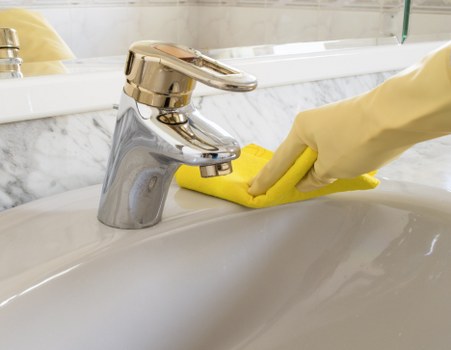
A strong office cleaning plan includes several essential zones. Each area has unique cleaning needs, and skipping one section can undermine the overall result. To keep a workplace truly clean, professional cleaners typically focus on the following spaces:
- Reception and waiting areas: Dusting, vacuuming, glass cleaning, and keeping furniture tidy.
- Workstations and desks: Surface wiping, trash removal, and careful cleaning around electronics.
- Meeting rooms: Sanitizing tables, chairs, screens, and shared equipment.
- Restrooms: Deep sanitation, fixture cleaning, restocking supplies, and odor control.
- Kitchen and break areas: Countertop disinfection, sink cleaning, appliance wiping, and waste management.
- Floors and corridors: Sweeping, vacuuming, mopping, and spot treatment.
These spaces all contribute to the overall condition of the office. When office cleaning is handled consistently, the entire property feels more organized and easier to use. Even details such as streak-free windows, clean baseboards, and polished surfaces can make a noticeable difference in how employees experience the space.
Depending on the business, office cleaning may also include specialty tasks such as carpet care, upholstery cleaning, sanitizing shared devices, and trash sorting. The most effective cleaning programs are customized rather than one-size-fits-all. That customization helps businesses focus resources where they are needed most.
How Office Cleaning Supports Health and Safety

Health and safety are central reasons why office cleaning should never be treated as optional. Workplaces collect dust, allergens, crumbs, and germs throughout the day. If these are not addressed, they can contribute to poor air quality, unpleasant odors, and increased illness among staff. Routine office cleaning helps remove these pollutants before they become a larger problem.
High-touch surfaces are especially important. Door handles, elevator buttons, shared desks, light switches, conference phones, and faucet handles can transfer germs quickly. Regular office cleaning that includes disinfection of these surfaces can reduce contamination risks and support a healthier workplace. This is particularly important in open-plan offices where many employees share the same equipment and common areas.
Office cleaning also plays a role in preventing accidents. Spilled liquids, cluttered walkways, and dirty floors can create slipping or tripping hazards. By keeping paths clear and surfaces dry, cleaners help reduce workplace incidents. A safer office is often a cleaner office, because cleanliness and safety are closely connected.
Improving Air Quality Through Cleaning
Dust, pollen, and debris can settle on surfaces and circulate through indoor air. This is especially true in offices with carpeting, HVAC systems, or heavy foot traffic. Proper office cleaning includes vacuuming with effective filtration, dusting vents and ledges, and removing accumulated particles from hidden corners. These actions help improve comfort for employees who are sensitive to allergens or respiratory triggers.
Office Cleaning and Workplace Productivity

There is a strong connection between office cleaning and productivity. Employees tend to work better in spaces that are orderly, hygienic, and easy to navigate. When desks are clutter-free and common areas are fresh, workers spend less time dealing with distractions and more time focusing on their tasks. A clean office also helps create a calmer mental environment, which can be valuable in high-pressure workplaces.
Cleaning can also improve workflow in subtle ways. For example, when supplies are properly stocked and shared areas are maintained, staff do not waste time looking for what they need. Meeting rooms that are cleaned and prepared between sessions make it easier to stay organized. Efficiency often starts with a well-kept environment, and office cleaning supports that foundation.
Morale matters as well. Employees are more likely to feel valued when their workplace is cared for. A tidy, well-maintained office sends the message that the organization respects its people and is willing to invest in their comfort. This can influence retention, satisfaction, and team culture over time. Clean surroundings often lead to better habits across the workplace.
How Cleanliness Shapes Employee Mindset
People naturally respond to their surroundings. A messy office can feel chaotic, while a clean one can feel more controlled and professional. Office cleaning helps create a sense of order that supports concentration and reduces stress. This is especially useful in environments where deadlines are tight and employees need to stay mentally sharp.
Types of Office Cleaning Services

Different workplaces need different levels of office cleaning. Understanding the available service types makes it easier to choose the right plan for your business. Below are the most common service categories:
- Daily office cleaning: Best for busy workplaces that need consistent upkeep, including trash removal, restroom sanitation, and surface cleaning.
- Weekly office cleaning: Suitable for smaller offices or spaces with lighter traffic that still need regular maintenance.
- Deep office cleaning: More intensive cleaning that addresses hard-to-reach areas, detailed disinfecting, and buildup removal.
- Commercial carpet cleaning: Focuses on vacuuming, stain treatment, and fabric care for carpeted areas.
- Window and glass cleaning: Keeps interior and exterior glass bright, clear, and professional-looking.
- Specialty sanitation services: Useful for periods of increased health concerns or after events and busy seasons.
These service types can be mixed and matched depending on office size, staff count, hours of operation, and industry requirements. For example, a medical office may need stricter sanitation procedures, while a creative studio may prioritize dusting, floor care, and breakroom cleaning. Office cleaning becomes most effective when it reflects the actual demands of the space.
Some businesses also request after-hours office cleaning to avoid interrupting work. Others prefer daytime maintenance for restrooms, kitchens, and reception areas. Flexibility is a major advantage of professional office cleaning because it allows operations to continue with minimal disruption.
What a Professional Office Cleaning Plan Typically Includes
A professional office cleaning plan usually begins with an assessment of the workspace. This helps identify which areas need frequent attention, which tasks are occasional, and what special requirements may apply. A tailored cleaning schedule is then built around those needs. Common responsibilities include emptying bins, sanitizing restrooms, dusting work surfaces, vacuuming floors, mopping hard floors, and maintaining kitchens and meeting spaces.
Professional office cleaning often includes attention to high-detail areas that may be missed during casual upkeep. This can involve cleaning behind furniture, dusting vents, wiping skirting boards, disinfecting switch plates, polishing glass partitions, and treating stains before they set. These finer tasks contribute to a noticeably higher standard of cleanliness.
Another important part of office cleaning is consistency. A reliable team follows routines, uses proper cleaning products, and checks that each task has been completed. This creates predictable results and helps businesses maintain a steady appearance. Consistency is one of the biggest benefits of outsourcing office cleaning to trained professionals.
Typical Daily Tasks
- Remove rubbish and replace liners
- Wipe desks, counters, and shared surfaces
- Sanitize bathrooms and restock consumables
- Vacuum carpets and sweep or mop floors
- Clean kitchen sinks, counters, and appliances
- Spot-clean doors, glass, and fingerprints
Choosing the Right Office Cleaning Approach
Selecting the right office cleaning approach starts with evaluating how your workplace operates. A company with many visitors may need more frequent reception cleaning, while an office with a large staff may require stronger restroom and breakroom service. Start by considering traffic patterns, industry expectations, cleanliness standards, and budget. This helps determine the level of support that makes sense.
It is also helpful to think about timing. Some offices need cleaning before employees arrive, while others benefit from service after hours. The right schedule should support productivity instead of interrupting it. If the office has shared conference rooms, printing zones, or kitchen areas, those may need more frequent attention throughout the day.
When comparing office cleaning options, look for clarity in the service scope. A good plan should specify which rooms are covered, what is cleaned daily versus weekly, and how special requests are handled. Clear expectations lead to better results and reduce misunderstandings later on.
Questions to Ask Before Choosing a Service
- Which areas are included in the regular cleaning schedule?
- How often are restrooms, kitchens, and touchpoints disinfected?
- Are the cleaning products suitable for office surfaces and electronics?
- Can the schedule be adjusted for business hours or special events?
- Is deep cleaning available when needed?
Best Practices for Maintaining a Clean Office Between Services
Even the best office cleaning service works more effectively when employees support daily upkeep. Small habits can make a big difference between scheduled cleans. Encouraging staff to clear their desks, dispose of food properly, and keep shared spaces tidy helps preserve the results of professional cleaning for longer.
It is also wise to create simple workplace cleaning expectations. For example, teams can be encouraged to wipe spills immediately, return kitchen items to the correct place, and keep meeting rooms organized after use. These habits prevent buildup and make the cleaning team’s job easier. Shared responsibility creates stronger results across the office.
Supplies matter too. Offices should keep tissues, hand soap, sanitizer, paper towels, and trash liners stocked. Having accessible supplies supports hygiene and reduces mess. If the office uses communal equipment, cleaning wipes or approved disinfecting materials should be available to help staff clean after use.
Simple Habits That Help
- Clear personal desks at the end of the day.
- Rinse cups and dishes immediately after use.
- Report spills, leaks, or maintenance issues quickly.
- Keep cables, bags, and boxes out of walkways.
- Encourage hand hygiene in shared areas.
Office Cleaning for Different Business Types
Office cleaning is not identical across all industries. A law firm, tech startup, healthcare practice, and coworking space may each need a different focus. Legal offices often prioritize reception areas, private offices, and conference rooms. Tech companies may need frequent attention to collaborative workspaces, communal kitchens, and high-use electronics zones. Healthcare-adjacent offices may require more rigorous disinfection protocols.
Retail offices, administrative suites, and service-based companies each come with different traffic levels and cleanliness expectations. Office cleaning plans should reflect those differences. For example, if clients regularly visit the office, the reception area and meeting spaces may need extra care. If the office has a large shared pantry, kitchen hygiene becomes a top priority.
Industry-specific cleaning also improves credibility. When a space matches the standards of its field, it supports the business image and creates confidence. Whether the goal is professionalism, hygiene, or comfort, the right office cleaning strategy should feel tailored rather than generic. Relevance is a key part of effective cleaning.
Examples of Industry Priorities
- Corporate offices: consistent polishing, floor care, and meeting room readiness
- Creative offices: dust control, flexible shared-space maintenance, and kitchen cleaning
- Medical offices: stronger sanitation, high-touch disinfection, and hygiene-focused routines
- Co-working spaces: high-frequency cleaning of desks, restrooms, and shared amenities
The Long-Term Value of Office Cleaning
Office cleaning delivers long-term value far beyond appearance. Clean floors, carpets, desks, and fixtures last longer when they are maintained properly. Dust and grime can wear surfaces down over time, so regular care helps reduce damage and extend the lifespan of office assets. That can save money on repairs, replacements, and premature wear.
There is also value in reputation. Clients, employees, vendors, and visitors all notice how a workplace is maintained. A well-cleaned office supports the idea that the company is organized, dependable, and serious about quality. In many cases, the visual and practical benefits of office cleaning reinforce a brand’s professionalism without saying a word.
Perhaps most importantly, office cleaning supports everyday comfort. People work better in a space that feels fresh, orderly, and cared for. That improved atmosphere can influence cooperation, focus, and job satisfaction. When a workplace is clean, people notice—and that attention often translates into better overall outcomes for the business.
Why Businesses Reinvest in Cleaning
Companies that experience the benefits of office cleaning often continue to improve or expand their cleaning schedules. Once a business sees fewer hygiene issues, better employee feedback, and a stronger presentation for visitors, the value becomes obvious. Regular office cleaning is not just maintenance; it is part of creating a workplace that supports growth.
Book your service now if your office needs a cleaner, healthier, and more professional environment. Contact us today to take the next step toward a workspace that looks better and performs better.
Conclusion: Making Office Cleaning Part of Workplace Success
Office cleaning is one of the simplest ways to improve the daily experience of a workplace, yet its impact is often underestimated. It supports health, appearance, morale, safety, productivity, and long-term asset care. A reliable cleaning routine keeps your business ready for employees and visitors while reducing the stress that comes with clutter and mess.
From daily upkeep to deep cleaning, every detail matters. A well-cleaned office is easier to manage, more pleasant to work in, and more impressive to walk into. When businesses treat office cleaning as a priority, they set a higher standard for professionalism and care. That standard can shape the way people feel about the workplace from the moment they step inside.
If you want a cleaner office that supports better business performance, now is the time to act. Contact us today and make office cleaning part of your workplace success. Book your service now and give your team the environment they deserve.