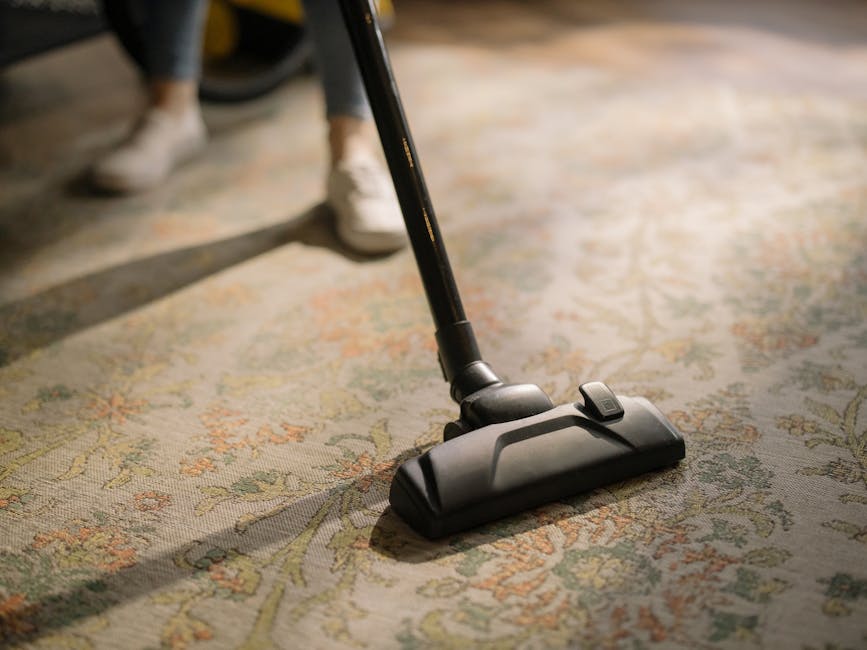
Dulwich Village upholstery cleaning and care guide

If your sofa has started looking a bit tired, or that dining chair keeps collecting the kind of marks nobody remembers making, this guide is for you. A good Dulwich Village upholstery cleaning and care guide does more than explain how to remove spots; it helps you protect the fabric, keep colours looking fresh, and avoid the sort of damage that creeps in slowly over time. In a home, rental property, or busy office, upholstery takes daily wear in a way most people only notice once the pile looks flat or the arms feel grimy.
This article walks through what upholstery cleaning involves, how to care for different fabrics, when DIY is sensible, when professional help is the safer call, and how to keep furniture looking decent for longer. It is practical, local-minded, and aimed at real life - tea spills, pet hair, dust, rainy shoes, and all.
Why Dulwich Village upholstery cleaning and care guide Matters
Upholstery is one of those things that quietly absorbs life. Dust settles into the fibres, body oils build up on armrests, crumbs disappear into seams, and the odd spill can linger if it is not dealt with properly. In Dulwich Village, where many homes have a mix of older furniture, fitted sofas, and carefully chosen statement pieces, keeping upholstery clean is not just about appearance. It is about preserving comfort and value too.
There is also a practical side. A well-cared-for sofa or chair tends to last longer, smell fresher, and hold its shape better. And if you have children, pets, or a busy household, you will notice the difference quickly. A clean sofa changes the feel of a room. Sounds obvious, perhaps, but it really does.
Another reason this matters is fabric safety. Not every material responds well to water, steam, or strong detergents. One wrong approach can set a stain deeper, leave a watermark, or even distort the weave. That is why a proper care guide is useful: it helps you clean with confidence rather than guesswork.
If you are already thinking beyond upholstery and want a broader refresh, the team at upholstery cleaning can be a sensible place to start. For homes that need a wider reset, deep cleaning often pairs well with fabric care.
How Dulwich Village upholstery cleaning and care guide Works
At a basic level, upholstery cleaning is about removing dry soil, oils, dust, and stains while protecting the fabric structure underneath. The exact method depends on the material, the construction of the furniture, and how sensitive the filling or backing might be.
Most professional upholstery care follows a few common stages:
- Inspection: checking the fabric type, dye stability, visible stains, and wear points.
- Dry soil removal: vacuuming thoroughly to lift dust, grit, pet hair, and loose debris.
- Spot testing: trying a cleaner in a discreet area first. Always. No skipping that step.
- Targeted treatment: applying the right solution to specific marks or heavily used sections.
- Main clean: using a suitable low-moisture or hot-water extraction method where appropriate.
- Rinse or neutralise: removing residue so the fabric does not attract dirt again too quickly.
- Drying: allowing proper airflow and avoiding over-wetting, which is where trouble starts.
For some fabrics, a dry or low-moisture method is best. For others, controlled wet cleaning is fine. The trick is matching the method to the material rather than treating every cushion as if it were the same. It is a bit like washing wool and denim together - not ideal, and usually messy.
When in doubt, professional sofa and fabric care through sofa cleaning can help with larger pieces, while smaller furnishings can sometimes be grouped into a broader service plan. If the upholstery is part of a rented home or a move, end of tenancy cleaning may also be relevant.
Key Benefits and Practical Advantages
Good upholstery care is not just cosmetic. It offers a few very real benefits that tend to show up in everyday life.
- Better appearance: colours look brighter, fabrics look less grey, and rooms feel more put together.
- Improved hygiene: dust, allergens, food debris, and everyday grime are reduced.
- Longer furniture life: preventing dirt from grinding into fibres helps reduce wear.
- Odour control: stale smells from pets, food, or damp are less likely to linger.
- More comfortable use: cushions feel cleaner, arms feel less sticky, and seating simply feels nicer.
- Better property presentation: useful for landlords, hosts, and anyone who likes a home to look cared for.
One thing people often underestimate is the value of routine upkeep. A small spill wiped quickly is rarely a drama. The same spill left for a week? Different story. Fabric tends to tell on you eventually.
If your furniture is part of a broader household cleaning routine, services like regular cleaning and house cleaning can make upkeep much easier to manage between deeper fabric treatments.
Who This Is For and When It Makes Sense
Short answer: almost anyone with upholstered furniture. But some situations make it especially worthwhile.
- Families: because snacks, sticky fingers, and muddy school shoes happen.
- Pet owners: for hair, dander, and those mystery smells pets seem to produce overnight.
- Renters and landlords: to improve presentation and support move-out condition.
- Homeowners: especially if the furniture is good quality or recently reupholstered.
- Hosts and short-let operators: because first impressions matter more than people admit.
- Offices and commercial spaces: reception seating and soft furnishings collect hidden dirt fast.
It makes sense to book professional upholstery cleaning when you notice dullness, recurring odours, old stains, or a general feeling that the furniture is no longer fresh even after vacuuming. If you have just completed decorating, or the room has been affected by construction dust, upholstery care is often best handled alongside after builders cleaning.
For businesses in Dulwich Village and nearby areas, a combination of commercial cleaning and upholstery care can keep shared spaces presentable without a constant scramble before visitors arrive.
Step-by-Step Guidance
If you want to tackle basic upholstery care yourself, keep it calm and methodical. Rushing is where mistakes creep in.
- Check the care label. Look for cleaning codes or fabric guidance. If the label is missing, assume caution.
- Vacuum thoroughly. Use an upholstery attachment, and get into seams, under cushions, and along the back edge.
- Test first. Try any cleaner on a hidden spot and wait for it to dry. This tiny step can save a lot of grief.
- Blot, don't scrub. For spills, dab from the outside in. Scrubbing spreads the mark and roughs up the fibres.
- Use the right amount of moisture. Fabric should not be left soaked. Too much water can cause rings, shrinkage, or slow drying.
- Treat stains gently. Different stains behave differently. Grease, wine, ink, and food all need different handling.
- Allow airflow. Open windows if weather permits and keep the room ventilated. A fan helps. A damp sofa left in a warm room does not.
- Fluff and reset cushions. Once dry, reshape cushions and rotate them if possible.
For regular household maintenance, it is often enough to vacuum weekly and spot clean as needed. More intensive cleaning can be scheduled less often, depending on use. If you are trying to reset the whole property after a busy period, one-off cleaning may be a useful companion service.
Practical stain-handling notes
Grease tends to cling to fibres and often needs a different treatment from water-based spills. Red wine and tea can spread quickly if flooded. Mud should usually be allowed to dry before vacuuming, not smeared around while wet. Ink can be particularly stubborn, and honestly, it has a slightly vindictive personality.
If a stain has already set, a careful professional assessment is usually safer than experimenting with three different products and hoping for the best.
Expert Tips for Better Results
These are the small habits that make a surprising difference.
- Vacuum before you see the dirt. Regular light vacuuming prevents grit from grinding into the fabric.
- Rotate cushions where possible. Even wear makes furniture look newer for longer.
- Use throws strategically. Not as a cover-up for bad care, but for high-use spots like armrests or pet zones.
- Keep food rules realistic. A blanket ban may not survive real family life, but an agreed "no plates on the sofa" rule helps.
- Handle spills immediately. The first minute matters more than people expect.
- Keep an eye on drying time. If the fabric still feels damp after a sensible window of time, airflow probably needs improving.
A useful little trick: after cleaning, stand back and inspect the fabric from different angles. Some marks only show up in side light. Morning light through a window is especially unforgiving, but helpful.
If you are caring for more than one soft furnishing in the home, combining upholstery treatment with rug cleaning can make a room feel much more balanced. The eye notices clean surfaces as a whole, not in isolation.
Common Mistakes to Avoid
The biggest upholstery cleaning errors are usually well-meant. That is the annoying part.
- Over-wetting the fabric: this can cause water rings, slow drying, and possible backing damage.
- Using too much detergent: residue attracts dirt and can leave the fabric looking dull again fast.
- Scrubbing aggressively: this can fray fibres or push stains deeper.
- Ignoring the fabric type: velvet, linen, wool blends, and synthetics behave very differently.
- Skipping a patch test: if the colour lifts, you want to know before cleaning the whole chair.
- Trying to fix old stains with a stronger chemical: stronger is not always better, and sometimes it is just riskier.
Another common issue is cleaning only the stain and not the surrounding area. That can leave a bright spot in the middle of a darker, still-dirty panel. Not exactly the goal.
And yes, using a hairdryer on high heat sounds efficient. Usually it is not. Heat can set some stains or distort delicate fabrics, so be careful there.
Tools, Resources and Recommendations
You do not need a van full of specialist equipment to maintain upholstery, but a few sensible tools help.
- Upholstery vacuum attachment: essential for seams, creases, and cushion edges.
- Microfibre cloths: good for blotting spills without pushing moisture around.
- Soft brush: useful for gently lifting surface dust or restoring nap on certain fabrics.
- Clean white towels: handy for pressing moisture out of cushions.
- Mild fabric-safe cleaner: always chosen with the fabric type in mind.
- Ventilation or a fan: simple, but one of the best drying aids available.
On the service side, it is worth reviewing a company's practical approach to care, not just whether they can "clean a sofa." Look for clarity around fabric testing, insurance, and what happens if something unexpected appears during the job. Pages like insurance and safety and health and safety policy help signal that a provider takes the work seriously.
If cost planning matters, pricing and quotes can help you understand what to ask for before booking. And if you want to learn more about the people behind the service, about us is worth a look.
Law, Compliance, Standards, or Best Practice
Upholstery cleaning itself is not usually the kind of task that comes with heavy regulation for a homeowner, but there are still sensible best practices. In the UK, cleaning firms are generally expected to work safely, use products appropriately, and avoid causing avoidable damage. For customers, that means asking practical questions before work begins, especially if the furniture is valuable, antique, or delicate.
If you are managing a rented property or shared space, keeping furniture in a clean and maintainable condition also supports basic property presentation and hygiene expectations. That does not mean every item has to look brand new, of course. It means the fabric should be reasonably cared for and treated in line with its material type.
For homes or workplaces that need extra coordination, it can help to choose a service provider with clear terms and a straightforward complaints process. That is not glamorous, I know, but it matters when you want no surprises. If you are comparing providers, the pages on terms and conditions, privacy policy, and complaints procedure show how the business handles the basics.
Sustainability also comes up quite naturally here. Good upholstery care should avoid waste where possible by extending furniture life rather than replacing items too soon. If that matters to you, recycling and sustainability gives a clearer sense of the wider approach.
Options, Methods, or Comparison Table
Different upholstery cleaning methods suit different fabrics and situations. Here is a simple comparison to help you judge what makes sense.
| Method | Best for | Pros | Watch-outs |
|---|---|---|---|
| Vacuuming and spot care | Routine maintenance, light soil, fresh spills | Fast, low risk, easy to repeat | Won't remove deep staining or embedded odours |
| Dry cleaning style treatment | Delicate fabrics, low-moisture needs | Reduced drying time, less water exposure | May not suit all stains or heavy soil |
| Hot-water extraction | Many synthetic fabrics and heavily used items | Deep soil removal, strong refresh effect | Can over-wet if not controlled properly |
| Hand cleaning with fabric-safe solution | Small marks, careful detailing | Targeted and flexible | Easy to over-apply product or water |
There is no single "best" method for every sofa, chair, or footstool. The correct choice depends on the fabric, the type of dirt, and how much drying room you have. A leather-look fabric, for example, behaves very differently from a woven wool blend, and treating them as identical is where people get into trouble.
Case Study or Real-World Example
Here is a simple, real-world style example. A family in Dulwich Village had a pale fabric sofa in a front room that did double duty as a homework zone, reading nook, and occasional snack base. Nothing dramatic had happened, but over time the sofa looked flatter, the arms felt slightly grimy, and there was a faint smell that only became obvious when the windows were shut.
They started with weekly vacuuming, then used a careful spot clean on a few marks near the armrest. That helped, but the sofa still looked uneven because the wear was spread across the seat cushions and headrest area. A professional clean was the sensible next step. After inspection, the fabric was treated with the right method for its fibre type, and the result was not "new," because nothing honest ever is, but it was noticeably fresher, brighter, and more comfortable to use.
The useful lesson? Once upholstery looks uniformly tired rather than just spotty, it is usually past the stage where little home fixes will do all the work. At that point, professional attention can save time, stress, and, often, the furniture itself.
That same logic applies in homes that need a wider refresh before guests arrive or after a tenancy change. In those cases, services such as move in cleaning or move out cleaning can sit neatly alongside upholstery care.
Practical Checklist
Use this checklist before, during, or after upholstery cleaning.
- Check the care label or fabric type.
- Vacuum all seams, edges, and under cushions.
- Test any cleaner on an unseen area first.
- Deal with spills quickly by blotting, not rubbing.
- Use the least amount of moisture needed.
- Improve airflow during and after cleaning.
- Let cushions dry fully before heavy use.
- Rotate cushions if the design allows it.
- Inspect for any lingering marks once dry.
- Book professional help if the fabric is delicate, expensive, or badly stained.
A quick check at the end can save you from thinking the job is done when the inside of the cushion is still damp. Happens more often than people admit.
Get a free quote today and see how much you can save.
Conclusion
A strong Dulwich Village upholstery cleaning and care guide is really about protecting the things you use every day. Clean upholstery looks better, feels better, and tends to last longer when it is treated with the right method and a bit of consistency. The main idea is simple: know your fabric, act quickly when spills happen, and avoid heavy-handed cleaning that does more harm than good.
Whether you are maintaining a family sofa, refreshing dining chairs, or preparing a property for guests or new occupants, the best results usually come from a mix of regular light care and well-timed deeper cleaning. Not everything needs a dramatic intervention. Sometimes it just needs the right touch, at the right time.
If your furniture needs more than routine upkeep, exploring contact us is a straightforward next step. A little care now can keep a much-loved chair or sofa in service for years longer, and there is something quietly satisfying about that.
Fresh upholstery changes the room. Simple as that.
Frequently Asked Questions
How often should upholstery be cleaned in a Dulwich Village home?
For most homes, light vacuuming should happen weekly, with deeper upholstery cleaning every 6 to 12 months depending on use, pets, children, and how quickly the fabric shows dirt. Busy households may need it more often.
Can I clean all upholstery fabrics the same way?
No. Cotton, linen, wool blends, velvet, synthetic mixes, and performance fabrics all react differently to moisture and cleaning products. That is why patch testing and checking the care label are so important.
What is the safest way to remove a fresh spill from a sofa?
Blot the spill gently with a clean, dry cloth or towel. Do not rub. Rubbing spreads the stain and can drive it deeper into the fibres. If needed, use a small amount of fabric-safe cleaner after testing it first.
Is steam cleaning safe for upholstery?
Sometimes, yes, but not always. Steam or hot-water cleaning can work well on some synthetic fabrics, while delicate materials may be damaged by too much heat or moisture. The fabric type matters more than the method name.
How do I know if my sofa needs professional cleaning?
If the sofa looks dull overall, smells stale, has several set stains, or feels sticky or grimy in high-contact areas, professional cleaning is usually a good idea. One-off spills are often manageable at home, but deeper build-up is another story.
Will upholstery cleaning remove pet odours?
It often helps a lot, especially when hair, dander, and surface dirt are part of the smell. Strong or long-standing odours may need a more thorough treatment, and the underlying cause should be identified as well.
Can upholstery cleaning damage delicate fabrics?
It can, if the wrong product or method is used. Delicate or colour-sensitive fabrics need careful testing and a suitable low-moisture approach. This is one reason experienced cleaners are often worth it for valuable pieces.
How long does upholstery take to dry?
Drying time depends on the fabric, the room temperature, ventilation, and how much moisture was used. Light cleaning may dry relatively quickly, while deeper cleaning can take longer. Good airflow makes a real difference.
Should I clean upholstery before or after other house cleaning?
Usually after dry dusting and vacuuming the room, but before heavy foot traffic resumes. If you are doing a full refresh, upholstery cleaning often fits neatly alongside wider domestic cleaning or deep cleaning work.
Does professional upholstery cleaning help if I am moving out?
Yes, it can be very useful when furniture is staying in the property or when the space needs to look well maintained for inspection, guests, or sale. It is often considered alongside move-out or end-of-tenancy tasks.
What is the biggest mistake people make with upholstery care?
Usually over-wetting or scrubbing too hard. Those two habits cause a lot of avoidable damage. Gentle, controlled cleaning is much safer and often more effective anyway.
Can upholstery cleaning be part of a larger cleaning plan?
Absolutely. Many people schedule it with regular cleaning, house cleaning, or broader services like sofa cleaning and rug cleaning so the whole room feels refreshed rather than only one item.